
Pain is a universal language — whether it’s a dull ache in the joints, muscle stiffness, or a sharp, chronic condition that limits movement. In today’s lifestyle of stress, long working hours, and limited physical activity, body pain has become almost a constant companion for many.
The ancient Tamil system of Siddha Medicine offers a holistic and time-tested approach to pain management and recovery, focusing not just on symptom relief but on restoring harmony to the body’s natural energy systems.
Types of Pain Addressed by Siddha Treatments
Siddha medicine is effective in treating various kinds of pain, including:
- Joint pain and arthritis
- Neck, back, and shoulder pain
- Muscle stiffness and sprains
- Sports injuries and muscle strain
- Chronic conditions like spondylitis or sciatica
- Post-operative or trauma-related recovery
Each condition is approached uniquely, focusing on both internal and external healing.
How Siddha Treatments Work
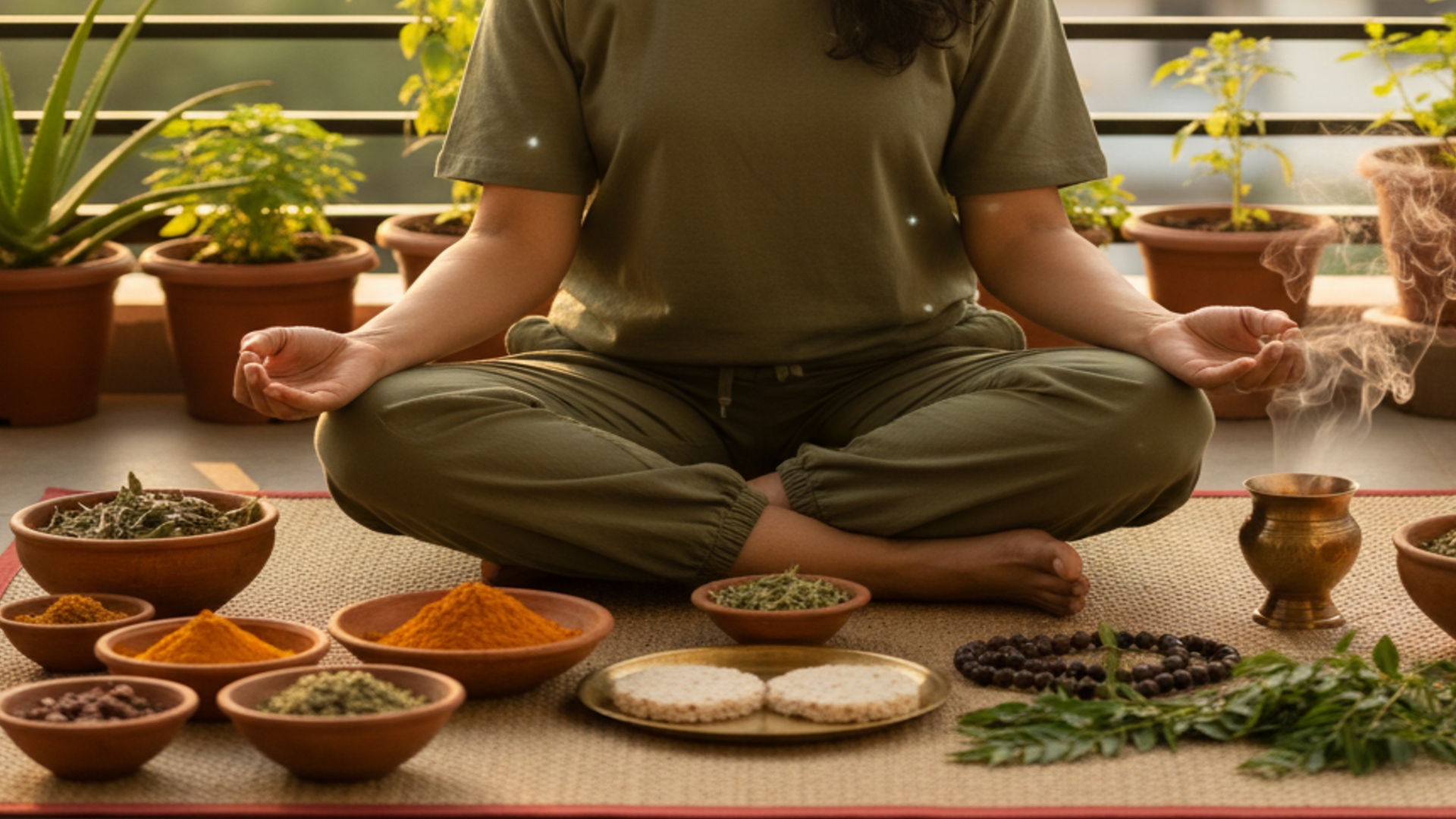
Siddha therapy combines herbal formulations, therapeutic oils, massages, diet regulation, and yogic practices to help the body heal naturally. Here’s how it supports recovery:
1. Herbal Medicines and Decoctions
Herbs such as Sonthi (Dry Ginger), Kandankathiri (Solanum xanthocarpum), Thippili (Long Pepper), and Adathodai are used to reduce inflammation, improve blood circulation, and ease pain. Formulations like Karisalankanni chooranam and Vathakesari thailam are traditional choices for joint and muscle issues.
2. External Therapies and Massage
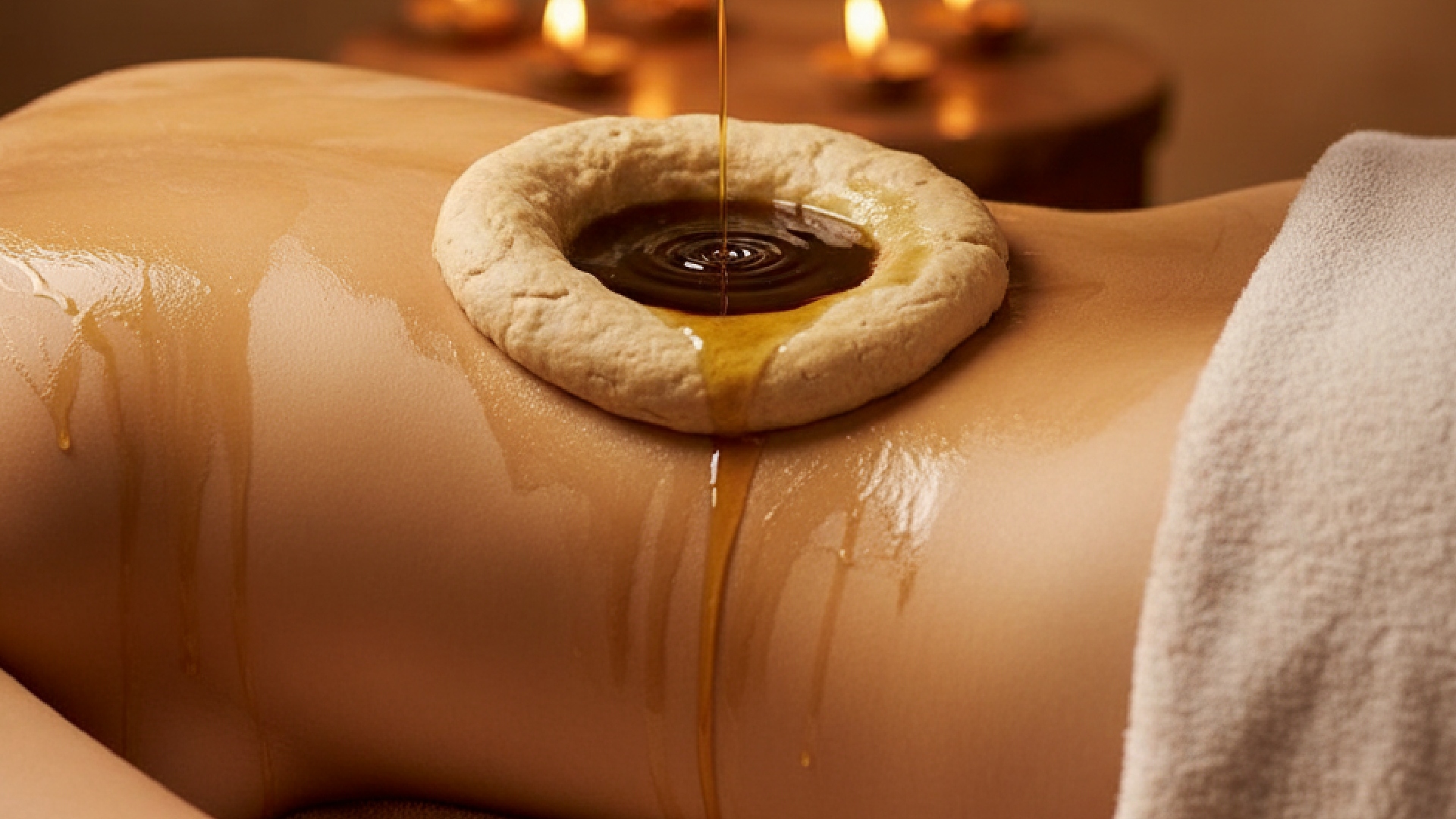
Traditional oil therapies, like Thailam application and medicated steam (Vasthi or Pottali), are central to Siddha pain management. These treatments:
- Relax stiff muscles
- Improve flexibility
- Lubricate joints
- Enhance tissue healing
The warmth from the oils allows deeper penetration into muscles and nerves, offering lasting relief.
3. Detoxification and Cleansing
Many chronic pain conditions stem from toxin buildup in the tissues. Siddha treatments help eliminate impurities through herbal purgation, sweat therapies, and diet regulation — making the body lighter and more responsive to healing.
4. Dietary and Lifestyle Regulation
Diet plays a crucial role in managing Vatha disorders. Siddha practitioners recommend:
- Avoiding cold, dry, and processed foods
- Including warm, freshly prepared meals with anti-inflammatory herbs
- Regular movement and stretching
- Proper rest and maintaining positive emotional health
Simple daily adjustments often bring profound relief over time.
5. Yoga and Meditation
Yoga postures combined with Siddha principles help improve flexibility, reduce stiffness, and calm the nervous system. Meditation balances the mind, reducing the perception of pain and enhancing overall recovery.
Benefits of Siddha Treatments for Pain
- Natural and side-effect-free healing
- Long-term relief through root-cause correction
- Strengthened muscles and improved joint function
- Enhanced body-mind balance
- Prevention of recurring pain episodes
Siddha healing does not suppress pain — it transforms the condition that causes it.
Siddha for Recovery and Rejuvenation
For patients recovering from injury or surgery, Siddha therapies offer gentle yet powerful support. The herbal oils and tonics nourish tissues, speed up wound healing, and restore strength. This holistic recovery ensures that both body and mind regain their natural rhythm.
A Balanced Approach to Wellness
True recovery happens when you treat the body as a whole — not just the area that hurts. Siddha medicine emphasizes restoring your body’s internal balance, improving circulation, calming the nervous system, and bringing peace to the mind.
When practiced under the guidance of a qualified Siddha physician, this ancient Tamil science can help you move freely again — not only without pain, but with renewed energy and awareness.
Final Thoughts
Pain may be inevitable, but suffering doesn’t have to be. Siddha medicine shows us a path where healing is gentle, natural, and deeply rooted in balance.